Mexican Media Brands
Hyundai Tests Self-Driving Fuel Cell Vehicles
Hyundai Motor Co. says five specially equipped test vehicles, including three fuel cell-powered models, were driven autonomously 190 km (118 miles) from Seoul to Pyeongchang last weekend in South Korea.
#hybrid
Share


Hyundai Motor Co. says five specially equipped test vehicles, including three fuel cell-powered models, were driven autonomously 190 km (118 miles) from Seoul to Pyeongchang last weekend in South Korea.
During the trip, the vehicles traveled at speeds as high as 66 mph, changed lanes, went through tunnels and navigated toll gates with wireless payment chips. The test fleet consisted of two Genesis G80 luxury sedans and three vehicles based on Hyundai's upcoming fuel cell-powered Nexo crossover.
Equipped with an array of cameras, lidar and other sensors, the vehicles are capable of Level 4 autonomous driving and use high-definition mapping. Korean mobile service provider KT Corp. provided 5G 5G communications capability.
Hyundai is due to launch the Nexo next month in Korea and later this year in the U.S. The company aims to introduce vehicles with Level 4 driving capabilities by 2021.
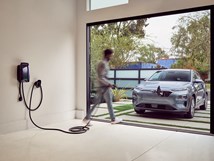
The test cars also preview Hyundai’s "Home Connect" system that allows occupants to monitor and manage such home-based electronic devices as lighting, security, entertainment, and heating and cooling controls. Hyundai plans to phase in the home-to-car technology in select models and areas later this year.
Other goodies being tested include a digital assistant and "Wellness Care" system that can monitor the health (stress level, heart rate and mood) of rear-seat passengers, according to the carmaker. The entertainment system allows for streaming videos and karaoke.
RELATED CONTENT
-
On Zeekr, the Price of EVs, and Lighting Design
About Zeekr, failure, the price of EVs, lighting design, and the exceedingly attractive Karma
-
When Automated Production Turning is the Low-Cost Option
For the right parts, or families of parts, an automated CNC turning cell is simply the least expensive way to produce high-quality parts. Here’s why.
-
Global Supply of Automotive Fasteners from a Single Source
PennEngineering offers a global supply for a wide range of fasteners for the automotive industry, including China-based facilities that manufacture standard and custom products to world-class standards of quality at lower cost.