Mexican Media Brands
NEVS Unveils Upcoming EVs, Autonomous Vehicle Concept
China’s National Electric Vehicle Sweden AB (NEVS) took the wraps off production versions of its Saab-based 9-3 electric sedan and 9-3X electric SUV, and the InMotion fully autonomous concept car at this week’s CES Asia electronics conference in Shanghai.
#hybrid #electronics
Share


China’s National Electric Vehicle Sweden AB (NEVS) took the wraps off production versions of its Saab-based 9-3 electric sedan and 9-3X electric SUV, and the fully autonomous InMotion concept car at this week’s CES Asia electronics conference in Shanghai.
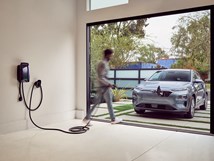
The EVs, which will have an estimated driving range of about 186 miles, are virtually identical in appearance to Saab Automobile AB’s 9-3 sport sedan and 9-3X crossover. Those models went out of production when the company went bankrupt five years ago. NEVS will build its EVs in China, where they will be launched next year.
The cars will feature in-car wi-fi, smartphone connectivity and what the company touts as a “world class” cabin air filter. Software updates will be made to the cars wirelessly.
The InMotion concept, which also is powered by an electric drivetrain, doesn’t have a steering wheel or foot pedals. The vehicle will be used in an upcoming pilot program in Tianjin, China, to test self-driving ride-hailing shuttle services.
Users would hail the vehicle via a smartphone app. Personal settings for seating positions, ambient lighting and media files would be stored for each user.
RELATED CONTENT
-
Special Report: Toyota & Issues Electric
Although Toyota’s focus on hybrid powertrains at the seeming expense of the development of a portfolio of full battery electric vehicles (BEVs) for the market could cause some concern among those of an environmental orientation, in that Toyota doesn’t seem to be sufficiently supportive of the environment, in their estimation. Here’s something that could cause a reconsideration of that point of view.
-
On the Genesis GV80, Acura MDX, BMW iDrive and more
From Genesis to Lamborghini, from Bosch to Acura: new automotive developments.
-
2018 Ford EcoSport: Small Is the New Big
Eric Loeffler, chief program engineer for the 2018 Ford EcoSport, recalls driving home from work one day from the product development center in Brazil where work was underway on developing the vehicle that will be coming to the U.S. in 2018, having been launched in 2003 in South America and is now become available in 140 countries around the world.