

 Mexican Media Brands
Neuroscience and Marketing: How to Hack the Buyer’s Brain
Neuroscience is the scientific study of exactly what happens in our brains when we process information, feel emotions, and make decisions. By following the model provided in this article and offering the appropriate content for each stage, your audience will already have positive associative recall with your brand.
#brandbuilding
Share


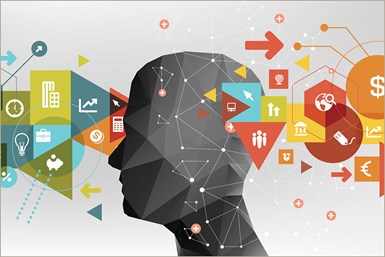
In this article, you’ll discover how neuroscience can help us become better marketers. As a marketer, you need to understand how our brains make decisions, choose which information to focus on, and overcome objections. Then you can use that understanding to influence decisions for the better. You'll also be equipped to spot the most effective marketing tools and concepts instead of just jumping on the next bandwagon that comes along. Want to create more effective marketing campaigns? Wondering how buyers make purchase decisions? Read more
RELATED CONTENT
-
Brand Awareness, Lead Generation, and a Balanced Marketing Strategy
Marketers are continually under pressure to prove out their marketing spend with measurable results.This pressure can lead marketers to think they have to choose one strategy or another based on what’s going to show the fastest outcome. In reality, marketers should consider how practices such as brand awareness and lead generation can work together for an overall balanced marketing strategy.
-
What Makes a Dedicated Email Work?
We looked at over 150 dedicated emails (or “ePrints” as we refer to them at Gardner Business Media) sent across all of our brands over the last year to see what separates the high performers from the ones that get opened and forgotten. A few clear patterns emerged.
-
Buyers Are Turning to AI for Product Research. Does Your Marketing Put Your Brand in the Right Place?
The 2025 IBI survey asked industrial buyers about AI's role in their product research. The results reveal a buyer who is cautiously engaging but a shift is happening fast and marketers should be prepared.